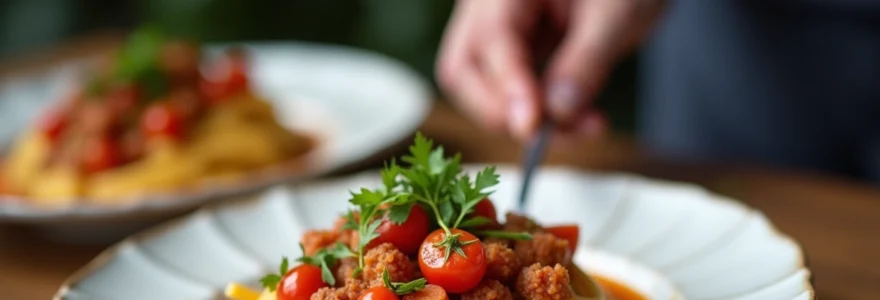
Culinary exploration has become an integral part of modern travel experiences. As globetrotters seek deeper connections with local cultures, cooking classes abroad have emerged as a popular way to engage with regional cuisines and traditions. These hands-on experiences offer more than just a delicious meal; they provide invaluable insights into the history, customs, and daily life of destinations around the world. By learning to create authentic dishes in their place of origin, travelers can bring a piece of their journey back home, extending the memories and flavors of their adventures long after the trip has ended.
Culinary tourism: exploring global cuisines through Hands-On learning
Culinary tourism has evolved far beyond simply dining at local restaurants. Today’s food-focused travelers are eager to roll up their sleeves and immerse themselves in the cooking process. This shift towards active participation allows visitors to gain a deeper understanding of regional ingredients, traditional techniques, and the cultural significance behind beloved dishes. Cooking classes abroad offer a unique opportunity to learn directly from local chefs, often in intimate settings that foster meaningful cultural exchange.
The benefits of these hands-on culinary experiences extend well beyond the kitchen. Participants often find themselves exploring local markets, learning about sustainable farming practices, and engaging in conversations about food history and cultural traditions. This holistic approach to culinary education provides a richer, more nuanced understanding of a destination’s food culture than passive consumption alone could offer.
Cooking is all about people. Food is maybe the only universal thing that really has the power to bring everyone together. No matter what culture, everywhere around the world, people eat together.
Mastering regional techniques: from tuscan pasta to thai curry
One of the most exciting aspects of cooking classes abroad is the opportunity to master regional techniques that have been perfected over generations. These skills, often passed down through families or culinary traditions, can be challenging to learn from cookbooks or online tutorials alone. The hands-on guidance provided by experienced local chefs allows travelers to grasp the nuances of these techniques, from the proper way to knead pasta dough to the art of balancing flavors in a complex curry.
Perfecting pasta making in bologna’s culinary academies
Bologna, known as “La Grassa” (The Fat One) for its rich culinary heritage, is the perfect place to learn the art of pasta making. In the city’s renowned culinary academies, visitors can learn to create tagliatelle , tortellini , and other regional specialties under the guidance of expert sfogline (pasta makers). These classes often begin with a trip to local markets to select the freshest ingredients, followed by hands-on instruction in the traditional techniques of rolling, shaping, and cooking pasta.
Mastering paella techniques in valencia’s seaside kitchens
Valencia, the birthplace of paella, offers an unparalleled setting to learn the secrets of this iconic Spanish dish. Cooking classes in seaside kitchens allow participants to understand the importance of using the right type of rice, selecting the perfect sofrito ingredients, and mastering the art of achieving the coveted socarrat (crispy bottom layer). These experiences often include insights into the dish’s history and cultural significance in the region.
Crafting authentic thai curries at chiang mai cooking schools
Chiang Mai, a culinary hub in northern Thailand, is home to numerous cooking schools where visitors can learn to craft authentic Thai curries. These classes typically cover the creation of curry pastes from scratch, teaching students to balance the complex flavors of lemongrass, galangal, kaffir lime leaves, and chili peppers. Participants also learn about the importance of using fresh, local ingredients and the cultural significance of different curry varieties in Thai cuisine.
Sushi rolling artistry in tokyo’s tsukiji market workshops
While the famous Tsukiji fish market has relocated, many sushi workshops still operate in the area, offering visitors a chance to learn the intricate art of sushi making. These classes often begin with a tour of the new Toyosu Market, where participants learn about selecting the freshest fish and seafood. Under the guidance of experienced sushi chefs, students then practice the delicate techniques of preparing sushi rice, slicing fish, and crafting various types of rolls and nigiri.
Ingredient sourcing: local markets and seasonal produce abroad
A crucial component of many cooking classes abroad is the emphasis on ingredient sourcing and the importance of seasonal, local produce. These experiences often begin with guided tours of local markets, where participants learn to select the best ingredients and gain insights into regional specialties. This focus on fresh, seasonal produce not only enhances the quality of the dishes created but also provides valuable lessons in sustainability and supporting local agriculture.
In many destinations, cooking class participants have the opportunity to visit local farms or artisanal producers, gaining a deeper understanding of the entire food production process. These experiences can range from olive oil tastings in Tuscany to visits to small-scale cheese producers in the French countryside. By connecting with local producers, travelers gain a more holistic understanding of the region’s culinary ecosystem and the importance of supporting sustainable food practices.
The best way to execute French cooking is to get good and loaded and whack the hell out of a chicken. Bon appétit.
Cultural immersion through food: beyond the kitchen
Cooking classes abroad offer more than just culinary skills; they provide a gateway to deeper cultural immersion. Many programs incorporate elements of local history, traditions, and customs into their curriculum, offering a more comprehensive understanding of the destination. This holistic approach allows travelers to connect with local communities in meaningful ways, fostering cross-cultural understanding and appreciation.
Wine pairing classes in france’s loire valley vineyards
In the picturesque Loire Valley, cooking classes often extend beyond the kitchen to include wine pairing experiences in local vineyards. Participants learn about the region’s winemaking traditions, the characteristics of different grape varieties, and the art of pairing food with wine. These classes provide insights into French dining customs and the cultural significance of wine in daily life.
Tea ceremony workshops in kyoto’s traditional machiya houses
Kyoto offers visitors the chance to participate in traditional tea ceremony workshops, often held in historic machiya (townhouses). These experiences go beyond simply preparing and serving tea, delving into the philosophy, etiquette, and cultural significance of the ceremony. Participants learn about the seasonal aspects of the ritual, the symbolism of the utensils used, and the importance of mindfulness and hospitality in Japanese culture.
Spice blending seminars in marrakech’s medina souks
In Marrakech, cooking classes often include spice blending seminars held in the bustling souks of the medina. Participants learn about the history of the spice trade, the medicinal properties of various herbs and spices, and the art of creating balanced spice blends. These experiences offer insights into the cultural and historical influences that have shaped Moroccan cuisine over centuries.
Farm-to-table experiences in new zealand’s canterbury region
The Canterbury region of New Zealand offers farm-to-table cooking experiences that highlight the country’s agricultural heritage. Participants visit local farms to learn about sustainable farming practices, seasonal produce, and the importance of terroir in New Zealand’s culinary landscape. These classes often incorporate Maori culinary traditions, providing insights into the indigenous food culture of the region.
Adapting international recipes for home kitchens
One of the most valuable aspects of cooking classes abroad is learning how to adapt international recipes for home kitchens. Experienced instructors often provide tips on ingredient substitutions, equipment alternatives, and techniques that can be easily replicated in different settings. This knowledge allows travelers to continue their culinary journey long after they’ve returned home, recreating authentic flavors and sharing their experiences with friends and family.
Many cooking schools provide recipe booklets or digital resources that participants can take home, ensuring that the techniques and flavors learned abroad can be recreated with confidence. Some programs even offer online follow-up sessions or virtual cooking classes, allowing students to maintain their connection with the destination and continue refining their skills.
Culinary certifications and professional development abroad
For those looking to take their culinary education to the next level, many international cooking schools offer professional certifications and intensive programs. These opportunities allow aspiring chefs and food industry professionals to gain valuable skills and credentials while immersing themselves in foreign culinary traditions.
Le cordon bleu’s global campuses: paris to sydney
Le Cordon Bleu, one of the world’s most prestigious culinary institutions, offers programs at campuses around the globe. From its flagship location in Paris to outposts in Sydney, Tokyo, and London, the school provides rigorous training in classical French techniques as well as regional specialties. Programs range from short-term certificates to full culinary degrees, catering to both amateur enthusiasts and aspiring professionals.
Specialty courses: pastry arts at barcelona’s hoffman school
Barcelona’s renowned Hoffman School offers specialized courses in pastry arts, allowing students to master the intricate techniques of Spanish and European dessert making. These programs often include modules on chocolate work, sugar art, and the creation of traditional Catalan pastries. The school’s location in the heart of Barcelona provides ample opportunities for cultural immersion alongside intensive culinary training.
Intensive programs: molecular gastronomy at elbulli foundation
The elBulli Foundation, established by pioneering chef Ferran Adrià, offers intensive programs in molecular gastronomy and culinary innovation. These courses, held at the foundation’s campus on the Costa Brava, provide participants with hands-on experience in cutting-edge culinary techniques and creative approaches to food preparation. The program’s emphasis on experimentation and innovation makes it an ideal choice for professionals looking to push the boundaries of contemporary cuisine.
Artisanal cheese making certifications in switzerland’s gruyère region
In Switzerland’s Gruyère region, aspiring cheese makers can participate in artisanal cheese making certifications that combine traditional techniques with modern food safety standards. These programs often include hands-on experience in local dairies, lessons in milk chemistry and microbiology, and instruction in the aging and affinage process. Participants gain a deep understanding of the cultural and economic importance of cheese making in the region while developing valuable skills for artisanal food production.
Cooking classes abroad offer a unique and immersive way to explore global cuisines, master regional techniques, and gain deeper cultural understanding. Whether you’re a casual food enthusiast or an aspiring culinary professional, these experiences provide valuable skills, unforgettable memories, and a lasting connection to the places and people encountered during your travels. By bringing these flavors and techniques back home, you can continue your culinary journey long after your trip has ended, sharing the tastes and stories of your adventures with others.