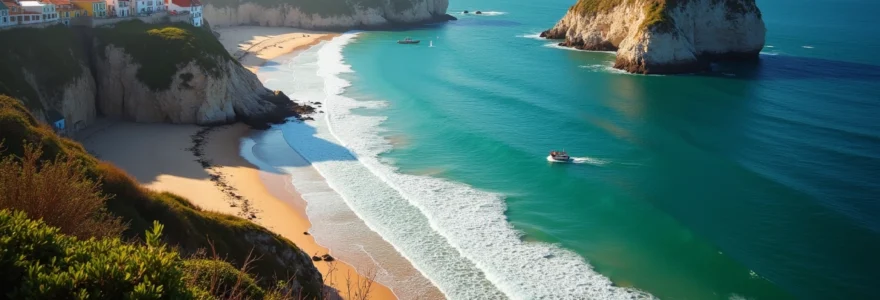
Portugal’s coastline is a treasure trove of hidden gems, offering a captivating blend of history, culture, and natural beauty. From the sun-drenched shores of the Algarve to the rugged cliffs of the Silver Coast, these small coastal towns provide an authentic glimpse into Portuguese life. Each destination boasts its own unique character, inviting visitors to explore charming streets, indulge in local cuisine, and bask in the warmth of Portuguese hospitality.
Travellers seeking an escape from bustling cities will find solace in these picturesque havens, where time seems to slow down and the rhythms of daily life are dictated by the ebb and flow of the tides. Whether you’re drawn to medieval architecture, pristine beaches, or culinary delights, Portugal’s coastal towns offer something for every discerning explorer.
Algarve’s hidden gems: exploring tavira and olhão
The Algarve region, renowned for its golden beaches and azure waters, harbours some of Portugal’s most enchanting coastal towns. Two such gems, Tavira and Olhão, offer visitors a chance to experience the authentic Algarve, away from the more touristy resorts.
Tavira’s roman bridge and ilha de tavira beach
Tavira, often referred to as the “Venice of the Algarve,” is a town steeped in history and charm. The iconic Roman Bridge, spanning the Gilão River, serves as the town’s centrepiece and offers breathtaking views of the surrounding whitewashed buildings. Visitors can meander through narrow cobblestone streets, admiring the blend of Roman, Arab, and Christian architectural influences.
A short ferry ride from Tavira lies the stunning Ilha de Tavira Beach. This pristine stretch of sand, part of the Ria Formosa Natural Park, offers a tranquil escape from the mainland. With its crystal-clear waters and golden sands, it’s an ideal spot for sunbathing, swimming, and birdwatching.
Olhão’s moorish architecture and culatra island
Olhão, a bustling fishing town, captivates visitors with its distinctive Moorish-influenced architecture. The town’s cube-shaped houses, adorned with wrought-iron balconies and intricate chimneys, create a unique skyline that sets Olhão apart from other Algarve destinations.
The nearby Culatra Island, accessible by boat from Olhão, offers a glimpse into traditional island life. This car-free paradise boasts unspoiled beaches and a laid-back atmosphere, perfect for those seeking to disconnect from the hustle and bustle of modern life.
Traditional cataplana cuisine in ria formosa
No visit to the Algarve is complete without sampling the region’s renowned cuisine. The Ria Formosa lagoon system, which stretches along the coast from Tavira to Olhão, provides the perfect setting to enjoy traditional Algarvian dishes. The cataplana , a seafood stew cooked in a distinctive copper pot, is a must-try delicacy that embodies the flavours of the region.
The cataplana is more than just a dish; it’s a culinary experience that brings together the freshest seafood with aromatic herbs and spices, creating a symphony of flavours that dance on the palate.
Silver coast treasures: nazaré and óbidos
Venturing north along Portugal’s coastline, the Silver Coast reveals its own set of coastal wonders. Nazaré and Óbidos stand out as two of the region’s most captivating destinations, each offering a unique blend of natural beauty and historical significance.
Nazaré’s giant waves and praia do norte
Nazaré, once a quiet fishing village, has gained international fame for its colossal waves . Praia do Norte, situated at the base of a dramatic cliff, has become a mecca for big wave surfers from around the globe. Visitors can witness these awe-inspiring natural phenomena from the safety of the clifftop lighthouse, which offers panoramic views of the Atlantic Ocean.
Beyond its surfing credentials, Nazaré retains much of its traditional charm. The town’s main beach, Praia da Nazaré, is flanked by a picturesque promenade lined with seafood restaurants and cafes. Here, visitors can observe local fishermen mending their nets and women dressed in traditional seven-layered skirts, a testament to the town’s enduring cultural heritage.
Medieval charm of óbidos castle and ginjinha
Óbidos, a fairy-tale town encircled by ancient walls, transports visitors back in time. The imposing Óbidos Castle, now converted into a luxury hotel, dominates the town’s skyline and offers a glimpse into Portugal’s medieval past. Wandering through the narrow, flower-bedecked streets, visitors will discover artisanal shops, quaint bookstores, and charming white-washed houses.
No visit to Óbidos is complete without sampling the town’s famous ginjinha , a sweet cherry liqueur traditionally served in small chocolate cups. This local delicacy perfectly encapsulates the town’s blend of history and indulgence.
Berlengas islands: portugal’s UNESCO biosphere reserve
Just off the coast of Peniche, a short boat ride from both Nazaré and Óbidos, lies the Berlengas archipelago. This UNESCO Biosphere Reserve is a haven for nature lovers and adventure seekers alike. The main island, Berlenga Grande, boasts pristine beaches, crystal-clear waters ideal for snorkeling, and a 17th-century lighthouse that offers stunning views of the surrounding seascape.
Visitors can explore the island’s rugged terrain, discover hidden coves, and observe diverse bird species in their natural habitat. The Berlengas Islands provide a unique opportunity to experience Portugal’s coastal biodiversity in its purest form.
Douro valley coastal havens: aveiro and viana do castelo
As we journey further north, the coastal towns of the Douro Valley region offer a different perspective on Portugal’s maritime heritage. Aveiro and Viana do Castelo, each with their distinct character, showcase the diversity of Portugal’s northern coastline.
Aveiro’s art nouveau and moliceiro boat tours
Often referred to as the “Venice of Portugal,” Aveiro is a city of canals and bridges that exudes charm at every turn. The city’s Art Nouveau architecture, particularly evident along the main canal, reflects a period of prosperity in the early 20th century. Visitors can admire the intricate facades of buildings such as the Museu de Arte Nova , which houses a collection of decorative arts from this influential period.
One of Aveiro’s most iconic experiences is a ride on a moliceiro , a traditional boat once used for seaweed harvesting. These colorfully painted vessels now ferry tourists through the city’s network of canals, offering a unique perspective on Aveiro’s maritime heritage and architectural beauty.
Viana do castelo’s santa luzia basilica and lima river estuary
Perched atop Mount Santa Luzia, the Basilica of Santa Luzia in Viana do Castelo offers panoramic views of the Atlantic Ocean and the Lima River estuary. This Neo-Byzantine church, completed in the 20th century, is a testament to the town’s religious devotion and architectural ambition.
At the foot of the mountain, Viana do Castelo’s historic center boasts well-preserved Renaissance palaces, Gothic churches, and Manueline-style buildings. The town’s rich maritime history is celebrated in the Gil Eannes Hospital Ship Museum, a former naval hospital vessel now open to the public.
Porto wine cellars in vila nova de gaia
While not strictly a coastal town, Vila Nova de Gaia, situated across the Douro River from Porto, deserves mention for its significant role in Portugal’s wine industry. The town is home to numerous Port wine lodges , where visitors can tour centuries-old cellars and sample various styles of this fortified wine.
A stroll along the Gaia riverside promenade offers stunning views of Porto’s iconic Ribeira district and provides access to some of the most renowned Port houses. Visitors can learn about the wine-making process, the history of Port trade, and the unique characteristics that make this wine a symbol of Portuguese culture.
Azores archipelago: são miguel’s coastal wonders
Venturing into the Atlantic, the Azores archipelago offers a different perspective on Portugal’s coastal beauty. São Miguel, the largest island in the group, boasts a diverse landscape of volcanic lakes, thermal springs, and dramatic coastlines.
Ponta delgada’s portas da cidade and marina
Ponta Delgada, the capital of São Miguel, welcomes visitors with its distinctive three-arched city gates, the Portas da Cidade . This iconic landmark serves as a gateway to the historic center, where visitors can explore narrow cobblestone streets lined with traditional Azorean architecture.
The city’s modern marina contrasts with its historical core, offering a hub for whale watching expeditions, diving excursions, and boat tours around the island. The waterfront area comes alive in the evenings, with restaurants and bars providing the perfect setting to enjoy fresh seafood and local wines.
Furnas hot springs and cozido das furnas
The town of Furnas, nestled in a volcanic caldera, is renowned for its geothermal activity. Visitors can explore the Furnas Hot Springs , where steaming fumaroles and bubbling mud pools create an otherworldly landscape. The town’s botanical garden, Terra Nostra Park, features a large thermal pool where guests can soak in mineral-rich waters.
Furnas is also famous for its unique culinary tradition, the Cozido das Furnas . This hearty stew is cooked underground using natural geothermal heat, resulting in a flavorful dish that embodies the island’s volcanic heritage.
Whale watching off vila franca do campo
The coastal town of Vila Franca do Campo serves as a launching point for some of the best whale watching experiences in the Atlantic. The waters surrounding São Miguel are home to over 20 species of cetaceans, including sperm whales, fin whales, and several dolphin species.
Just off the coast of Vila Franca do Campo lies the Ilhéu de Vila Franca, a small islet formed by an ancient underwater volcano. This natural reserve offers excellent snorkeling opportunities and a unique volcanic lagoon perfect for swimming.
Madeira’s seaside escapes: funchal and porto moniz
The island of Madeira, known for its lush landscapes and eternal spring-like climate, offers its own set of coastal charms. From the vibrant capital of Funchal to the natural wonders of Porto Moniz, Madeira’s coastline is a testament to the island’s diverse beauty.
Funchal’s monte cable car and toboggan rides
Funchal, Madeira’s capital, combines historical charm with modern amenities. The city’s Monte Cable Car offers a scenic ascent to the suburb of Monte, providing panoramic views of Funchal Bay and the surrounding mountains. At the top, visitors can experience the unique thrill of a traditional wicker toboggan ride back down to the city, guided by carreiros in traditional white uniforms and straw hats.
The city’s old town, Zona Velha, is a labyrinth of narrow streets adorned with street art and home to quaint restaurants serving local specialties. The Mercado dos Lavradores, a vibrant market, showcases Madeira’s exotic fruits, fresh fish, and colorful flowers.
Porto moniz natural swimming pools
On the northwestern tip of Madeira, Porto Moniz is famous for its natural swimming pools. These volcanic rock formations, filled with crystal-clear seawater, offer a unique bathing experience with stunning views of the Atlantic Ocean. The pools are constantly refreshed by the tides, providing a safe and invigorating place to swim amidst the rugged coastal landscape.
The Porto Moniz natural pools are a testament to the raw beauty of Madeira’s coastline, where the forces of nature have sculpted a perfect harmony between land and sea.
Levada walks and laurisilva forest UNESCO site
While not strictly coastal, Madeira’s network of levadas – irrigation channels that crisscross the island – offer unparalleled opportunities to explore the island’s interior. Many of these walks lead through the Laurisilva Forest, a UNESCO World Heritage site and the largest surviving area of laurel forest in the world.
These hiking trails often provide breathtaking coastal views, allowing visitors to appreciate the island’s diverse landscapes from forested mountains to dramatic sea cliffs. The Levada do Caldeirão Verde, for instance, culminates in a stunning waterfall with views stretching out to the ocean.
Portugal’s small coastal towns offer a diverse tapestry of experiences, from the sun-soaked beaches of the Algarve to the dramatic cliffs of Madeira. Each destination tells its own story, inviting visitors to delve deeper into Portugal’s rich maritime heritage, natural wonders, and culinary traditions. Whether you seek relaxation, adventure, or cultural immersion, these coastal havens promise unforgettable memories and a genuine taste of Portuguese life by the sea.