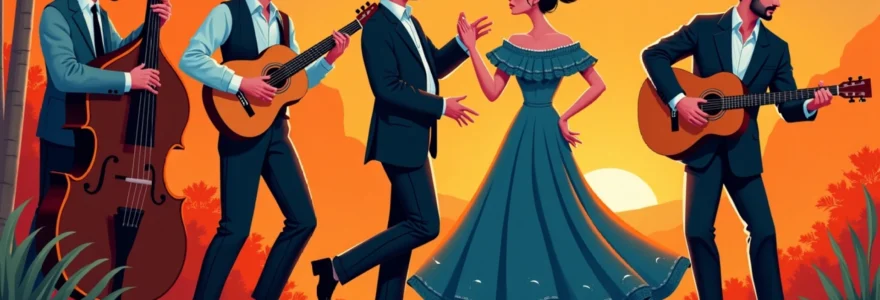
Flamenco, the passionate and soulful art form that originated in southern Spain, embodies the heart and spirit of Andalusian culture. This vibrant expression of music, dance, and song has captivated audiences worldwide with its raw emotion, intricate rhythms, and mesmerizing movements. Deeply rooted in the rich history of Andalusia, flamenco serves as a powerful vehicle for cultural identity, storytelling, and artistic innovation. From its humble beginnings in the streets and taverns of Seville, Jerez, and Cádiz to its current status as a UNESCO Intangible Cultural Heritage, flamenco continues to evolve while maintaining its core essence.
Origins and evolution of flamenco in andalusia
The roots of flamenco can be traced back to the diverse cultural influences that have shaped Andalusia over centuries. This unique art form emerged from the fusion of Gypsy, Moorish, Jewish, and indigenous Andalusian traditions, creating a powerful means of expression for marginalized communities. The exact origins of flamenco remain somewhat shrouded in mystery, but historians generally agree that it began to take shape in the 18th century.
Initially, flamenco was primarily a vocal art form, with singers expressing their joys, sorrows, and struggles through haunting melodies and poetic lyrics. As it gained popularity, guitar accompaniment was introduced, adding depth and complexity to the music. The dance element, which has become synonymous with flamenco today, developed later as a visual interpretation of the music’s intense emotions and rhythms.
Throughout the 19th century, flamenco transitioned from intimate gatherings in cafés cantantes (singing cafes) to more formal stage performances. This period, known as the Golden Age of Flamenco, saw the codification of various styles and the rise of legendary performers who helped shape the art form’s identity.
Fundamental elements of flamenco music
Flamenco music is characterized by its intricate rhythms, emotive vocals, and virtuosic guitar playing. The interplay between these elements creates a rich tapestry of sound that forms the foundation of the flamenco experience. Let’s explore the key components that make up this captivating musical tradition.
Cante: vocal styles and palos
At the heart of flamenco lies the cante , or singing, which conveys the raw emotion and storytelling aspect of the art form. Flamenco vocals are known for their intensity, melismatic ornamentation, and expressive use of microtones. The various styles of flamenco singing are called palos , each with its own distinctive rhythm, mood, and lyrical content.
Some of the most important palos include:
- Soleá: A slow, profound style often considered the “mother of flamenco”
- Bulerías: A lively, festive palo with a complex 12-beat rhythm
- Seguiriyas: An intense, mournful style expressing deep sorrow
- Alegrías: A joyful, upbeat palo originating from Cádiz
Toque: guitar techniques and rhythms
The flamenco guitar, or toque , provides the harmonic and rhythmic foundation for the music. Flamenco guitarists employ a range of unique techniques to create the distinctive sound associated with the genre. These include rasgueado (rapid strumming), picado (single-note runs), and alzapúa (thumb technique).
The guitar also plays a crucial role in establishing the compás , or rhythmic cycle, of each palo. This intricate interplay between rhythm and harmony creates the driving force behind flamenco music, propelling both the vocals and dance.
Palmas: hand-clapping patterns and compás
Palmas , or rhythmic hand clapping, is an essential element of flamenco that adds percussive texture and reinforces the compás. Flamenco artists use two main types of palmas: palmas sordas (muffled claps) and palmas claras (sharp claps). The intricate patterns created by palmas players contribute to the overall rhythmic complexity of flamenco music.
Cajón and other percussion instruments
While not traditionally part of flamenco, the cajón (a box-shaped drum) has become increasingly popular in modern flamenco ensembles. Other percussion instruments occasionally used include the castañuelas (castanets) and the pandero (tambourine). These additions enhance the rhythmic landscape of flamenco music, providing additional layers of texture and depth.
Flamenco dance (baile) techniques and styles
Flamenco dance, or baile , is a visually stunning and emotionally charged expression of the music. Dancers use their entire bodies to interpret the rhythms and emotions of the cante and toque, creating a powerful synergy between movement and sound. The techniques and styles of flamenco dance have evolved over time, resulting in a rich and diverse tradition.
Zapateado: footwork and heel-striking patterns
One of the most distinctive features of flamenco dance is the zapateado , or footwork. Dancers use their heels, toes, and the balls of their feet to create intricate percussive patterns that complement and accentuate the music’s rhythm. The speed, intensity, and complexity of zapateado vary depending on the palo being performed and the dancer’s individual style.
Braceo and floreo: arm and hand movements
While the feet provide the rhythmic foundation, the upper body movements in flamenco dance are equally important. Braceo refers to the expressive arm movements that flow and curve through the air, creating graceful lines and shapes. Floreo , or hand movements, involve intricate rotations of the wrists and fingers, adding delicate accents to the overall dance.
Escobilla: solo footwork sequences
The escobilla is a section of the dance performance dedicated to showcasing the dancer’s footwork skills. During this solo sequence, the dancer executes increasingly complex zapateado patterns, building in intensity and speed. The escobilla serves as a dramatic highpoint in many flamenco performances, demonstrating the dancer’s technical prowess and rhythmic mastery.
Bata de cola: dancing with the long-tailed dress
Female flamenco dancers often perform in the iconic bata de cola , a dress with a long, ruffled train. Dancing with the bata de cola requires great skill and control, as the dancer must manipulate the train to create dramatic visual effects while maintaining precise footwork. This style of dance adds an extra layer of complexity and elegance to flamenco performances.
Iconic flamenco artists from andalusia
Throughout its history, flamenco has been shaped by numerous talented artists who have pushed the boundaries of the art form and left an indelible mark on its evolution. Andalusia has produced many legendary performers who have become synonymous with flamenco excellence.
Camarón de la isla: revolutionary cantaor
José Monge Cruz, better known as Camarón de la Isla, is widely regarded as one of the greatest flamenco singers of all time. Born in San Fernando, Cádiz, Camarón revolutionized flamenco vocals with his unique voice and innovative approach to traditional styles. His collaborations with guitarist Paco de Lucía produced some of the most influential recordings in flamenco history.
Paco de lucía: virtuoso flamenco guitarist
Paco de Lucía, born in Algeciras, Cádiz, is considered the most influential flamenco guitarist of the 20th century. His technical brilliance, compositional skills, and willingness to experiment with other musical genres helped elevate flamenco guitar to new heights. De Lucía’s contributions to flamenco continue to inspire guitarists around the world.
Carmen amaya: trailblazing bailaora
Carmen Amaya, born in Barcelona but of Andalusian Gypsy descent, was a revolutionary figure in flamenco dance. Known for her intense, passionate performances and unprecedented footwork speed, Amaya broke gender barriers by incorporating traditionally male dance moves into her repertoire. Her unique style and powerful presence on stage earned her international acclaim and helped shape modern flamenco dance.
Lola flores: multifaceted flamenco performer
Lola Flores, born in Jerez de la Frontera, was a versatile artist who excelled in singing, dancing, and acting. Known as “La Faraona” (The Pharaoh), Flores captivated audiences with her charismatic stage presence and distinctive style. Her contributions to flamenco and Spanish popular culture made her an iconic figure both in Spain and internationally.
Flamenco’s role in andalusian cultural identity
Flamenco is more than just an art form in Andalusia; it is an integral part of the region’s cultural identity. For many Andalusians, flamenco serves as a powerful means of expression, connecting them to their heritage and allowing them to explore complex emotions and experiences. The art form’s ability to convey joy, sorrow, passion, and resilience resonates deeply with the Andalusian spirit.
In addition to its emotional significance, flamenco plays a crucial role in preserving and transmitting Andalusian history and traditions. Many flamenco lyrics tell stories of historical events, cultural practices, and social issues, serving as a living archive of Andalusian life. The art form also fosters a sense of community, with flamenco gatherings ( juergas ) bringing people together to share in the music, dance, and camaraderie.
Furthermore, flamenco has become an important economic and cultural ambassador for Andalusia. The region’s flamenco festivals, tablaos (flamenco venues), and educational institutions attract visitors and students from around the world, contributing to cultural exchange and tourism. This global interest in flamenco has helped to reinforce its importance within Andalusia, encouraging new generations to engage with and preserve this vital aspect of their cultural heritage.
Contemporary flamenco fusion and global influence
While deeply rooted in tradition, flamenco continues to evolve and adapt to contemporary influences. Modern flamenco artists are pushing the boundaries of the art form, incorporating elements from other musical genres and dance styles to create innovative fusions that appeal to new audiences while maintaining the essence of flamenco.
Nuevo flamenco: blending traditional and modern styles
Nuevo flamenco , or new flamenco, emerged in the late 20th century as artists began experimenting with incorporating elements of jazz, rock, and world music into traditional flamenco structures. This fusion style has opened up new possibilities for flamenco expression, attracting younger audiences and inspiring collaborations between flamenco artists and musicians from diverse backgrounds.
Some notable nuevo flamenco artists include:
- Enrique Morente: A groundbreaking singer who collaborated with rock musicians
- Vicente Amigo: A guitarist known for his fusion of flamenco with other world music styles
- Rosalía: A contemporary artist blending flamenco with pop and urban music
Flamenco’s impact on world music and dance
The emotional intensity and rhythmic complexity of flamenco have inspired artists and audiences worldwide. Elements of flamenco can be found in various genres of music and dance, from jazz and classical compositions to contemporary dance choreography. The art form’s influence extends beyond the realm of performance, inspiring fashion designers, visual artists, and filmmakers with its passionate aesthetic and cultural richness.
Flamenco festivals: bienal de flamenco and festival de jerez
Major flamenco festivals play a crucial role in showcasing both traditional and innovative approaches to the art form. The Bienal de Flamenco in Seville and the Festival de Jerez are two of the most prestigious events in the flamenco world, attracting top performers and enthusiasts from around the globe. These festivals not only celebrate flamenco’s rich heritage but also provide a platform for emerging artists and new creative directions within the genre.
As flamenco continues to evolve and reach new audiences, it remains a powerful symbol of Andalusian culture and a testament to the enduring appeal of this passionate, soulful art form. Whether experienced in an intimate tablao, a grand theatre, or a spontaneous street performance, flamenco continues to captivate and inspire, bridging cultural divides and touching the hearts of people around the world.