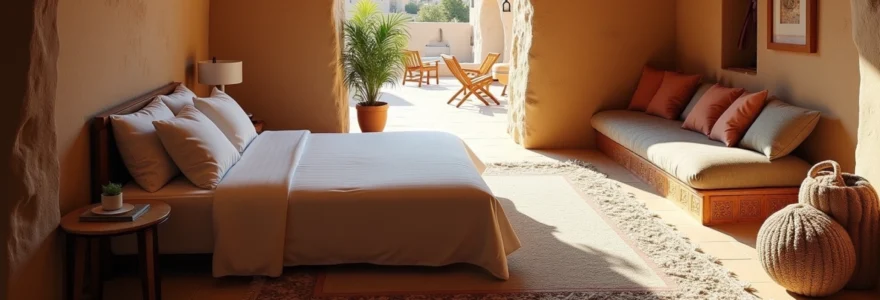
Nestled in the heart of Turkey’s central Anatolia region, Cappadocia boasts a surreal landscape of otherworldly rock formations and ancient cave dwellings. This unique geological wonderland has given rise to one of the most extraordinary accommodation experiences in the world: cave hotels. These remarkable establishments blend millennia-old structures with modern luxury, offering visitors a chance to immerse themselves in the rich history and culture of the region while enjoying contemporary comforts.
As you explore the winding streets of Göreme and gaze upon the fairy chimneys of Uçhisar, you’ll discover a plethora of cave hotels that cater to every taste and budget. From opulent suites adorned with Ottoman-era antiques to cosy, rustic chambers carved directly into the soft volcanic rock, these unique accommodations provide an unparalleled opportunity to connect with Cappadocia’s fascinating past and breathtaking natural beauty.
Geological formation of cappadocia’s cave dwellings
The story of Cappadocia’s cave hotels begins millions of years ago with intense volcanic activity. Layers of ash, lava, and basalt were deposited across the landscape, eventually compressing into a soft, porous rock called tuff . Over time, wind and water erosion sculpted this malleable stone into the region’s iconic “fairy chimneys” and undulating valleys.
Early inhabitants of the area quickly recognised the potential of this easily workable material. They began carving homes, churches, and entire underground cities into the rock, creating a vast network of troglodyte dwellings that have endured for centuries. The natural insulating properties of the tuff rock kept these cave homes cool in summer and warm in winter, making them ideal shelters in Cappadocia’s sometimes harsh climate.
Today, many of these ancient cave dwellings have been carefully restored and converted into luxurious hotels, offering guests a unique opportunity to experience life within the very heart of Cappadocia’s geological marvels. As you rest your head in a room carved by hand centuries ago, you’ll feel an intimate connection to the land and its history.
Historical evolution of troglodyte accommodations
Byzantine-era monastic cave settlements
The roots of Cappadocia’s cave hotels can be traced back to the Byzantine period when Christian monks sought refuge in the region’s remote valleys. These early settlers expanded existing natural caves and carved out elaborate monastic complexes, complete with churches, refectories, and living quarters. Many of these Byzantine cave churches, adorned with vibrant frescoes, can still be visited today in the open-air museums of Göreme and Zelve.
As you explore the cave hotels of Cappadocia, you’ll often find echoes of this monastic heritage in their architecture and décor. Arched doorways, rock-cut niches, and graceful domed ceilings harken back to the spiritual retreats of centuries past, creating an atmosphere of serene contemplation.
Ottoman period adaptations of cave dwellings
During the Ottoman era, the cave dwellings of Cappadocia continued to evolve. Local families expanded and modified the existing Byzantine structures, adapting them to suit their needs. They added intricate stone carvings, ornate fireplaces, and storage areas for food and supplies. Many cave hotels today showcase elements from this period, blending Ottoman-inspired furnishings with the region’s unique rock-cut architecture.
In some cave hotels, you might find yourself sleeping in a room that once served as a family’s living area or kitchen, now elegantly appointed with handwoven carpets and locally crafted furniture. These thoughtful touches help to preserve the authentic character of the space while providing modern comforts.
Modern transformation into boutique hotels
The transformation of Cappadocia’s cave dwellings into luxury accommodations began in earnest in the late 20th century. Visionary hoteliers recognized the potential of these ancient spaces to offer travellers a truly unique experience. They set about carefully restoring and renovating the cave structures, striking a delicate balance between preserving their historical integrity and introducing modern amenities.
Today, Cappadocia boasts a wide array of cave hotels, ranging from intimate family-run establishments to sprawling luxury resorts. Each property offers its own interpretation of cave living, with some emphasizing rustic authenticity and others providing lavish, contemporary design within the rock-hewn settings.
Architectural features of cappadocian cave hotels
Tuff rock composition and thermal properties
The unique composition of Cappadocia’s tuff rock plays a crucial role in the comfort and appeal of its cave hotels. This volcanic stone possesses remarkable insulating properties, maintaining a constant temperature of around 20°C (68°F) throughout the year. As a result, cave hotel rooms remain pleasantly cool during scorching summer days and comfortably warm in the depths of winter.
The porous nature of tuff also contributes to excellent sound insulation, creating a serene and peaceful atmosphere within the cave rooms. You’ll find that the thick rock walls effectively muffle any external noise, allowing for a truly restful night’s sleep.
Traditional arched ceilings and alcoves
One of the most distinctive architectural features of Cappadocian cave hotels is the prevalence of arched ceilings and alcoves. These elements, originally carved for both structural support and aesthetic appeal, lend a sense of grandeur and spaciousness to even the most modest cave rooms.
Many hotels have preserved and enhanced these traditional features, using them to create cosy sleeping nooks, elegant dining areas, or atmospheric lounging spaces. The interplay of light and shadow across these curved surfaces adds depth and character to the interiors, creating a truly magical ambiance.
Integration of modern amenities with ancient structures
Perhaps the most impressive aspect of Cappadocia’s cave hotels is their seamless integration of modern luxuries within these ancient spaces. Skilled architects and designers have found innovative ways to incorporate contemporary comforts without compromising the historical integrity of the caves.
You might find a rainfall shower cleverly tucked into a rock-cut niche, or a state-of-the-art lighting system that accentuates the natural contours of the cave walls. Many hotels have also added private terraces or balconies, allowing guests to enjoy breathtaking views of the surrounding landscape while maintaining the cave-dwelling experience.
Preservation techniques for fragile cave interiors
Maintaining the delicate balance between preservation and modernization is an ongoing challenge for Cappadocia’s cave hotels. The soft, porous nature of the tuff rock requires careful management to prevent degradation from moisture and wear.
Many hotels employ specialized techniques to protect the cave interiors, such as applying breathable sealants to the rock surfaces and implementing advanced ventilation systems. These measures help to preserve the unique character of the caves while ensuring a comfortable and safe environment for guests.
Top-rated cave hotels in göreme
Museum hotel: relics and luxury in uçhisar
Perched atop Uçhisar’s highest point, the Museum Hotel offers an unparalleled blend of luxury and history. This Relais & Châteaux property features rooms and suites decorated with priceless antiques and artefacts, effectively transforming the hotel into a living museum of Cappadocian culture.
Guests can indulge in gourmet cuisine at the hotel’s award-winning Lil’a Restaurant, which showcases traditional Anatolian flavours with a modern twist. The hotel’s terraces provide breathtaking panoramic views of the Cappadocian landscape, including the iconic fairy chimneys and distant Mount Erciyes.
Argos in cappadocia: monastery-turned-resort in uçhisar
Nestled in the ancient village of Uçhisar, Argos in Cappadocia is a sprawling cave resort that seamlessly blends historical charm with contemporary luxury. The property, once a monastery, has been meticulously restored over two decades to create a truly unique hotel experience.
With its labyrinthine network of underground tunnels, beautiful gardens, and stunning views of Pigeon Valley, Argos offers guests a chance to immerse themselves in the rich tapestry of Cappadocian history. The hotel’s wine cellar, housed in a 5.5-kilometre tunnel system, is home to one of Turkey’s most extensive collections of fine wines.
Sultan cave suites: panoramic terraces in central göreme
Located in the heart of Göreme, Sultan Cave Suites has become famous for its incredible rooftop terrace, offering one of the best vantage points for watching Cappadocia’s iconic hot air balloon flights at sunrise. The hotel’s rooms and suites are adorned with traditional Turkish furnishings and textiles, creating a warm and authentic atmosphere.
Guests can enjoy a lavish breakfast spread on the terrace while taking in sweeping views of the town and surrounding valleys. The hotel’s central location makes it an ideal base for exploring Göreme’s many attractions, including the Open Air Museum and nearby hiking trails.
Kayakapı premium caves: restored historical neighbourhood
Situated in the Kayakapı neighbourhood of Ürgüp, this unique hotel spans a vast area of restored historical cave houses and mansions. Kayakapı Premium Caves offers guests the opportunity to stay in beautifully appointed rooms that once formed part of an entire cave-dwelling community.
The hotel features multiple swimming pools, a luxurious spa, and several dining options, all set against the backdrop of Ürgüp’s picturesque landscape. History enthusiasts will appreciate the on-site mosque dating back to the Seljuk period and the various historical artefacts displayed throughout the property.
Unique experiences in cappadocian cave accommodations
Underground hammams and spa treatments
Many of Cappadocia’s cave hotels have embraced the region’s long tradition of Turkish baths by incorporating luxurious underground hammams into their facilities. These cave-hewn spa areas offer a truly unique relaxation experience, allowing guests to unwind in the serene atmosphere of ancient rock chambers.
Treatments often incorporate local ingredients, such as volcanic clay masks or grape seed oil massages, paying homage to the region’s natural resources. The combination of traditional Turkish bathing rituals and the otherworldly cave setting creates an unforgettable spa experience that rejuvenates both body and soul.
Terrace dining with fairy chimney views
One of the most magical experiences offered by Cappadocia’s cave hotels is the opportunity to dine al fresco on terraces overlooking the region’s iconic fairy chimneys. Many hotels have created stunning rooftop restaurants or private dining areas that provide panoramic views of the surreal landscape.
As you savour traditional Anatolian cuisine and local wines, you’ll be treated to a ever-changing canvas of colours as the sun sets over the valleys, casting long shadows across the undulating terrain. This enchanting blend of gastronomy and natural beauty creates memories that last a lifetime.
Wine tasting in ancient cave cellars
Cappadocia has a long and rich history of viticulture, dating back thousands of years. Many cave hotels have tapped into this heritage by establishing wine cellars within their ancient tunnel systems. These atmospheric spaces provide the perfect environment for storing and ageing wines, thanks to their constant cool temperatures and high humidity.
Guests can participate in curated wine tastings, often led by knowledgeable sommeliers who share insights into the region’s unique terroir and winemaking traditions. Some hotels even offer the opportunity to blend your own wine, creating a personalized souvenir of your Cappadocian adventure.
Sustainable tourism and conservation efforts in cave hotel management
As the popularity of Cappadocia’s cave hotels continues to grow, many properties are taking proactive steps to ensure the long-term sustainability of these unique accommodations. Conservation efforts focus on preserving the delicate rock structures while minimizing the environmental impact of tourism.
Some hotels have implemented innovative water recycling systems to reduce consumption in this semi-arid region. Others have adopted energy-efficient lighting and heating solutions that complement the natural insulating properties of the cave structures. Many properties also support local artisans and producers, helping to maintain traditional crafts and agricultural practices.
Educating guests about the geological and cultural significance of Cappadocia’s cave dwellings is another crucial aspect of sustainable tourism in the region. Many hotels offer guided tours or informational materials that help visitors appreciate the delicate balance between preserving these ancient structures and adapting them for modern use.
As you plan your visit to Cappadocia, consider choosing a cave hotel that prioritizes sustainable practices and contributes to the conservation of this extraordinary landscape. By doing so, you’ll not only enjoy a unique and comfortable stay but also play a part in preserving this remarkable heritage for future generations to experience and cherish.