
Tuscany’s iconic cities sit remarkably close to each other, yet many travelers never venture beyond Florence‘s historic center. The challenge isn’t distance—it’s figuring out how to move between destinations without the hassle of complex train connections, the expense of car rentals, or the rigidity of packaged group tours.
The answer lies in flexible intercity bus services designed specifically for multi-destination touring. Tootbus Toscana operates dedicated routes connecting Florence, Pisa, and Lucca, with multi-day passes that activate upon first use. This approach eliminates transfer stress while giving you the freedom to spend as much or as little time in each city as your interests demand.
Here’s what you need to know about extending your Florence stay into a comprehensive Tuscan experience, covering the practical logistics that actually matter when you’re planning on the ground.
Why Explore Multiple Tuscan Cities in One Trip?
Tuscany’s cultural wealth isn’t concentrated in a single city. Florence holds the Uffizi and the Duomo, but Pisa offers the iconic Leaning Tower and Piazza dei Miracoli, while Lucca delivers authentic medieval charm with intact Renaissance-era walls you can walk or bike along. The compelling case for multi-city exploration comes down to proximity and diversity. According to the record 2025 passenger data confirmed by Toscana Aeroporti, the region’s airports handled 9.8 million passengers in 2025, reflecting an 8.4% increase over 2024. Florence alone processed 3.8 million travelers, with Pisa handling nearly 6 million. This surge demonstrates exactly why efficient intercity connections matter—thousands of visitors are already making the calculation that staying in one place leaves too much on the table.
The distances work in your favor. Florence to Pisa runs approximately one hour by direct route, while Florence to Lucca takes around an hour and fifteen minutes. These aren’t day-long expeditions—they’re practical extensions of your itinerary that let you experience Renaissance art, Gothic architecture, and quieter Tuscan life within the same vacation window.
Here’s what you need to understand at a glance before diving into the details.
Your Multi-City Tuscany Snapshot:
- Florence, Pisa, and Lucca sit within 60-90 minutes of each other
- Tootbus Toscana offers 2, 3, and 5-day passes covering multiple routes
- Hop-on hop-off flexibility eliminates rigid tour schedules and complex train transfers
- AI guide and audio walking tours enhance exploration once you arrive in each city
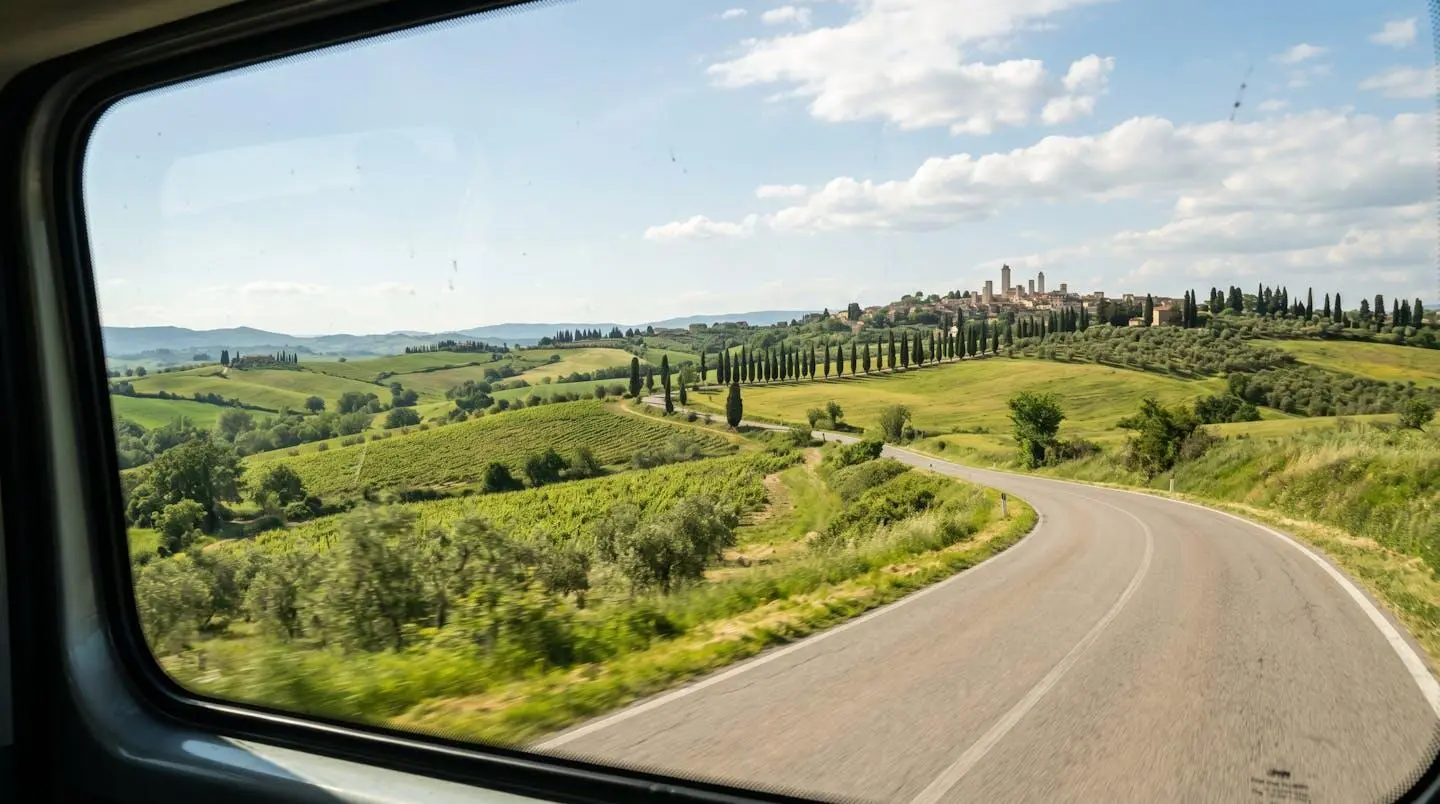
That said, multi-city touring isn’t universally the right choice. If you’re visiting Italy for the first time with only four or five days total, depth in Florence alone might serve you better than breadth across three destinations. The trade-off comes down to whether you prioritize immersive familiarity with one place or curated highlights across several. For travelers with a week or more, or those returning to Tuscany after previous visits, the question shifts from “Should I?” to “How do I do this efficiently?”
Transportation logistics become the deciding factor. Fragmented bookings across regional trains, navigating Italian-language signage at smaller stations, and coordinating arrival times with attraction hours create friction that eats into actual sightseeing time. What you need is a system purpose-built for tourists moving between these specific cities—one that doesn’t penalize you for changing your mind about how long to stay in Lucca’s Piazza dell’Anfiteatro or whether to catch the sunset in Pisa.
Tootbus Toscana: Seamless Multi-City Routes Across Tuscany
When the H1 question asks whether you can extend your Florence journey to Pisa and Lucca, the practical answer depends on having reliable intercity connections that don’t lock you into fixed departure times or require advance seat reservations. Tootbus Toscana operates as an intercity bus service specifically designed for tourists moving between Tuscany’s key destinations, offering an alternative to both regional rail networks and the expense of car rentals.
The service operates two main itineraries. The Green Route connects Florence, Pisa, and Lucca—the exact trio covered in the H1. The Terracotta Route links Florence, San Gimignano, and Siena. Pass options come in 2-day, 3-day, or 5-day durations starting from your first scan aboard the bus, giving you control over activation timing. The Tootie AI guide layer adds real-time assistance in over 50 languages, while Tootwalk audio-guided walking tours activate once you’re on foot in each city.
Tech That Travels With You: The Tootbus App Ecosystem
- Tootie AI Guide: Ask questions in 50+ languages and receive instant answers
- Tootwalk: Free audio walking tours activate once you arrive in each destination city
- Real-time bus tracking: Check arrival times at your current stop directly from the app
- Seamless integration: One platform handles both intercity travel and on-foot exploration
Buses accommodate standard luggage and include multilingual audio commentary, free Wi-Fi, and accessibility features. Family passes and kids-specific audio content address parents traveling with children.
What this setup delivers operationally is elimination of transfer complexity. You’re not changing platforms at intermediate stations or decoding departure boards in Italian. You board in Florence’s city center, disembark in Pisa near the Leaning Tower complex, explore at your own pace using Tootwalk, then catch the next available bus to Lucca when you’re ready. The system rewards spontaneity rather than penalizing it, which is the core value proposition for independent travelers who don’t want the structure of group tours but also don’t want the stress of piecing together regional train schedules.
Comparing Your Transport Options: Bus vs Train vs Car Rental
The most common planning mistake travelers make when mapping Tuscany itineraries is assuming regional trains are automatically the cheapest and fastest option. In practice, train routes between Florence, Pisa, and Lucca often require transfers and operate on schedules optimized for commuters rather than tourists arriving mid-morning after hotel checkout. According to 2025 Florence tourism data published by CST, more than 50,000 tourist buses entered Florence between January and October 2025 alone—a 45% increase over 2024. This surge reflects market demand for dedicated tourist transportation that isn’t constrained by commuter rail infrastructure.
Here’s how the three primary options stack up across the criteria that actually matter when you’re standing in Florence’s Santa Maria Novella station trying to decide whether to buy individual train tickets or commit to a multi-day pass.
This breakdown focuses on the five decision factors that determine whether a transport option actually serves your needs—not just the advertised price.
Comparative data collected and updated February 2026.
| Transport Option | Approx Cost | Flexibility | Convenience | Time Efficiency |
|---|---|---|---|---|
| Tootbus Multi-Day Pass | Mid-range | High (board when ready) | High (direct routes, no transfers) | Efficient (dedicated tourist routing) |
| Regional Trains | Low per single trip | Low (fixed schedules) | Medium (requires transfers, platform navigation) | Variable (connection waits, potential delays) |
| Car Rental | Higher (rental + fuel + parking fees) | High (unrestricted routing) | Low (ZTL zones, parking stress, navigation) | Flexible routing but parking adds time |
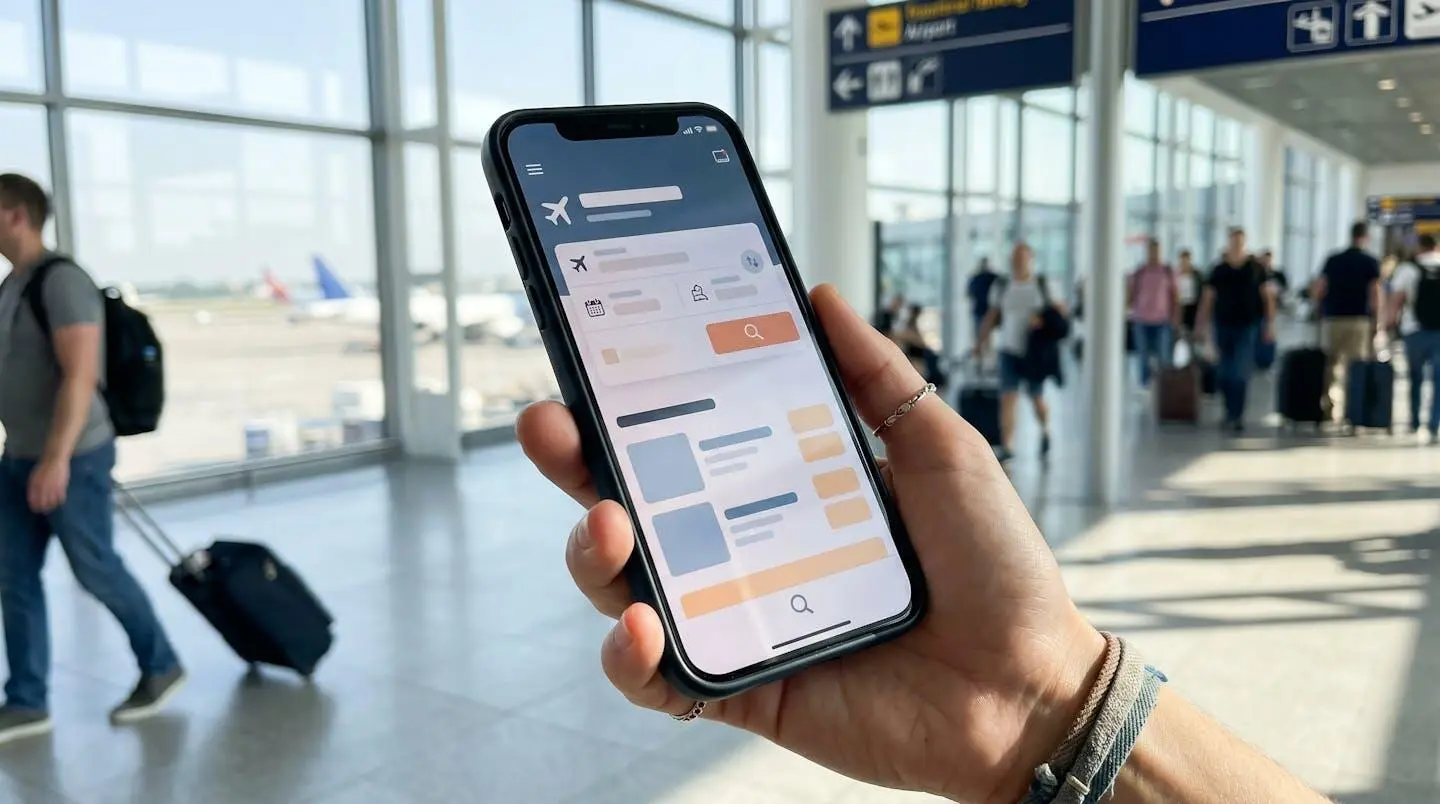
Trains win on per-trip cost if you’re only making one or two journeys, but that advantage erodes fast once you factor in the value of not having to plan your day around 10:47 AM departures. The Trenitalia regionale network connects these cities, but routes like Florence to Lucca typically require a change at Pisa Centrale, adding 20-30 minutes of platform waiting. Train stations in smaller cities like Lucca sit outside the historic center, necessitating additional local transport or a 15-minute walk with luggage.
Car rentals offer maximum geographic freedom but come with hidden friction costs. Italy’s ZTL (Zona a Traffico Limitato) restricted traffic zones blanket the historic centers of Florence, Pisa, and Lucca. Drive into one without proper permits and you’ll receive automated fines weeks after returning home. Parking near major attractions during high season means either expensive garage fees or circling side streets hoping for an open spot.
The Tootbus model threads the middle path: you sacrifice the absolute freedom of a car and the rock-bottom per-trip cost of trains, but you gain schedule flexibility, direct routing between tourist zones, and elimination of the cognitive load that comes from managing multiple booking platforms and arrival time coordination. If your priority is maximizing sightseeing hours rather than optimizing transportation euros, that trade-off consistently works in the bus pass’s favor.
Planning Your Florence-Pisa-Lucca Itinerary with Confidence
A scenario that plays out repeatedly across Tuscany involves travelers who book Florence accommodation for five nights, spend the first three days hitting Uffizi and Duomo highlights, then realize on day four they have just 36 hours left and still want to see Pisa and Lucca. They attempt to cram both cities into a single marathon day, leave Pisa after 90 rushed minutes, arrive in Lucca exhausted, and ultimately spend more time in transit and decision-making than actually absorbing either destination. The issue isn’t ambition—it’s underestimating how much time each city deserves and overestimating how energizing it feels to move between locations without breathing room.
Pisa can be meaningfully experienced in 2-3 hours if your focus is the Piazza dei Miracoli complex (Leaning Tower, Baptistery, Cathedral). Lucca demands 3-4 hours minimum—the intact Renaissance walls encircling the historic center stretch 4 kilometers and are best explored on foot or by bike, and the centro storico’s quieter atmosphere rewards slower pacing than Florence’s crowded museum queues. Florence itself needs at least a day and a half for major highlights, assuming you’re making advance reservations for Uffizi and Accademia to avoid multi-hour standby lines.
The broader context for Tuscany tourism intensity comes from ENIT projections for Italian summer tourism 2025, which forecasted a record 27 million total airport arrivals, representing a 17.9% increase over 2024. These numbers contextualize why advance planning and realistic time allocation matter.
When booking your pass, the 3-day option tends to be the sweet spot for first-time visitors covering Florence, Pisa, and Lucca. That gives you one full day for Florence highlights, one day for Pisa and Lucca as a combined but not rushed outing, and a buffer day to revisit whichever location resonated most or to explore quieter corners you missed initially. The 2-day pass works if you’re extremely time-limited and treat Pisa as a quick photo stop, while the 5-day pass suits travelers adding San Gimignano and Siena via the Terracotta Route or simply wanting maximum schedule flexibility.
Use this framework to match your specific travel priorities to the right itinerary structure and pass duration.
- Art and Renaissance enthusiasts:
Spend two full days in Florence (Uffizi, Accademia, Duomo complex), then dedicate one day to Pisa and Lucca combined. A 3-day pass provides comfortable pacing without rushing major museums.
- Families traveling with children:
Pisa’s Leaning Tower offers an iconic photo opportunity kids understand, Lucca’s walls can be biked as a family activity, and Florence’s Piazzale Michelangelo provides sunset views without museum fatigue. Use kids audio guides onboard. A 3-day pass allows for mid-day breaks.
- Time-limited travelers (4-5 day Italy trip total):
Base yourself in Florence, treat Pisa and Lucca as an efficient single-day extension. A 2-day pass is sufficient if you’re prioritizing depth in Florence over breadth across multiple cities.
- Photography-focused travelers:
Target early morning Pisa (fewer crowds at Piazza dei Miracoli), golden hour on Lucca’s walls, and Florence sunset from Piazzale Michelangelo. A 3-day pass provides timing flexibility to wait for ideal light conditions.
Pass activation happens automatically when you scan your ticket aboard the bus for the first time, which means you can purchase in advance without worrying about wasting days if your plans shift. The app handles real-time tracking, so you’re not guessing whether the next bus arrives in 10 minutes or an hour.
These are the logistical questions that come up most frequently when travelers are ready to commit to booking.
How does the multi-day pass actually work?
Your pass activates the first time you scan it aboard the bus and remains valid for 2, 3, or 5 consecutive days depending on your purchase. You can board as many times as you like during that validity window without additional fees.
Can I bring luggage on the bus?
Yes, Tootbus accommodates standard travel luggage. However, if you’re changing hotels between cities, storing bags at your accommodation lets you travel lighter during actual sightseeing hours.
Is it genuinely better than taking regional trains?
It depends on your priorities. Trains can be cheaper for single one-way trips but require transfers and adherence to fixed schedules. Tootbus offers direct routing between tourist zones with flexibility to board when you’re ready, eliminating transfer stress and schedule pressure.
What if I don’t speak Italian?
The Tootie AI guide supports over 50 languages, and audio commentary aboard the bus is available in multiple languages. The app interface is multilingual, making the entire experience accessible to international travelers without Italian language skills.
How much time should I realistically allocate to each city?
Pisa can be covered in 2-3 hours if you focus on the Piazza dei Miracoli area. Lucca deserves 3-4 hours to walk or bike the walls and explore the historic center. Florence needs at least 1.5-2 full days for major highlights. A 3-day pass gives comfortable pacing across all three.
The H1 question—can you explore Florence with Tootbus and extend your journey to Pisa and Lucca—has a straightforward answer: yes, provided you approach the logistics with realistic time expectations and choose transportation infrastructure designed for tourists rather than commuters. The Green Route delivers exactly the connectivity the question implies, and the multi-day pass structure rewards the kind of flexible pacing that makes multi-city exploration enjoyable rather than exhausting.
Your immediate action items: determine how many days your overall Tuscany stay allows, match that to the appropriate pass duration, and identify which traveler profile from the decision tree above best describes your priorities. After you’ve exhausted Tuscany’s urban cultural highlights, consider extending your Italian adventure beyond Renaissance cities to experience the country’s coastal diversity and culinary traditions through exploration of Italian beaches and culture along the Amalfi Coast or Cinque Terre—regions that offer completely different facets of Italian life than landlocked Tuscany provides.